The garden shredder dramatically reduces the volume of green waste. However, not all shredders produce the same type of mulch, and this detail radically changes the quality of the resulting mulch. Choosing a shredder for mulching means first understanding what the machine does to the plant material, not just the power displayed on the technical sheet.
Coarse mulch or fine mulch: what changes for ground mulching
Buying guides often compare power, acceptable diameters, and types of motors. They rarely focus on the texture of the mulch, even though it is the determining factor for successful mulching.
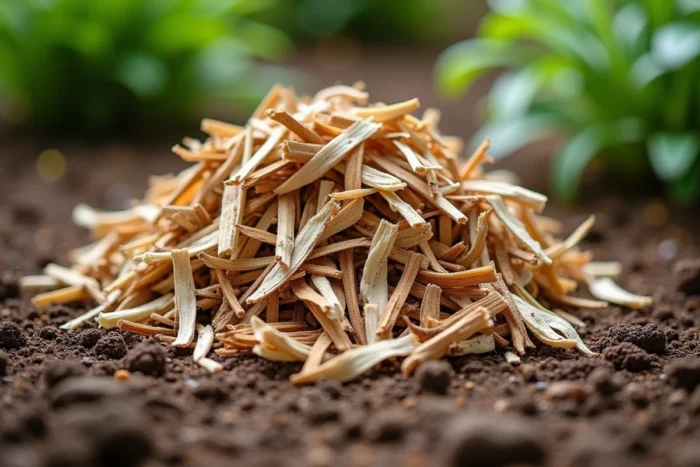
A coarse mulch protects the soil better over time. The irregular chips produced by rotor or turbine systems decompose slowly. They limit compaction under rain, slow down the emergence of weeds, and maintain moisture for several months. For mulching shrub beds, hedge bases, or a vegetable garden in winter, this type of mulch yields the best results.
In contrast, a fine mulch (from blade disc systems) decomposes quickly. It stimulates the biological life of the soil with a rapid effect, but a thicker layer is needed for effective protection against drying out and weeds. This mulch is more suitable for composting or short-term mulching.
When looking for a garden shredder for sustainable mulching, the cutting system is therefore as important as the motor power.
Rotor, turbine, or blade shredding system: which produces the best mulch
Three main families of shredding systems share the market. Their mechanical operation directly determines the particle size of the mulch.
- Blade disc shredders cut plant material by impact. Fast on small branches and soft foliage, they produce fine, sometimes fibrous mulch. Their limitation: they struggle with branches larger than a few centimeters in diameter and generate more jams with hard wood.
- Rotor shredders (or cutting cylinder) crush and cut wood gradually. The resulting mulch is coarser, better suited for long-term mulching. They accept thicker branches and are less prone to blockages, reducing fatigue during long shredding sessions.
- Turbine shredders combine the principles of rotors and blades. They handle a wider range of diameters and produce intermediate-sized mulch. However, their price is generally higher.
For mulching beds or vegetable gardens, a rotor remains the most relevant compromise. The mulch it produces resembles BRF (Bois Raméal Fragmenté) used in permaculture, with pieces large enough to last in the soil without forming an impermeable crust.
Electric or thermal shredder: adapting the motor to the garden size
The choice between electric and thermal motors is not just a budget question. It is primarily about the volume to be processed and practical constraints.
A wired electric shredder, with a power between 2,000 and 3,000 watts, is suitable for modest-sized gardens. It easily shreds small to medium diameter branches from hedge trimming, roses, and shrubs. Its main limitation: dependence on an electrical outlet and reasonable proximity to the work area.
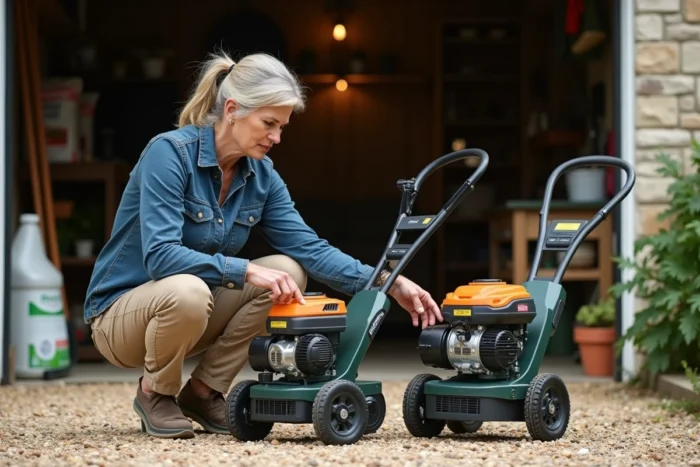
Thermal shredders target large gardens and high volumes. Running on gasoline, they reach significantly higher powers and accept thicker branches. Feedback varies on this point: some users of medium-sized gardens prefer a thermal shredder for its mobility, while others find the engine maintenance (oil change, spark plug, air filter) disproportionate compared to occasional use.
Battery-powered cordless shredders are gaining ground. They offer better mobility than wired models, but their autonomy and power remain behind compared to the other two categories. To produce mulch in quantity, this factor can become limiting.
Acceptable diameter and frequency of use: two underestimated criteria
The maximum branch diameter accepted by the shredder is often the first number looked at. But in practice, a shredder used regularly at its capacity limit wears out quickly and frequently jams.
It is better to choose a model whose acceptable diameter exceeds by at least a third the average diameter of the branches you usually trim. A garden with privet hedges and a few fruit trees does not produce the same residues as a property bordered by oaks or hornbeams.
The maintenance of blades affects the quality of the mulch
Dull blades or knives no longer cut; they tear. The mulch becomes fibrous, compacts on the ground, and forms an impermeable layer that prevents rainwater from reaching the roots. Regular sharpening of the blades ensures an airy and effective mulch.
Rotor systems require less maintenance in this regard: the crushing mechanics are less sensitive to wear of the cutting edges than blade discs, which require more frequent sharpening or replacement.
Safety and ergonomics of the garden shredder
Shredding plant material exposes users to concrete risks: flying chips, prolonged noise, accidental contact with moving parts. Appropriate protective equipment is essential for every use.
- Protective glasses against flying wood and sap
- Hearing protection, especially with thermal models whose noise level can quickly be tiring
- Thick gloves for handling branches without risk of cuts
The ergonomics of the shredder directly influence the regularity of use. A model that is difficult to move or with a poorly positioned feed hopper often ends up stored at the back of the garage. Weight, wheel quality, height of the entry chute, and ease of emptying the collection bin deserve as much attention as the motor’s technical sheet.
A shredder well-sized for your garden, equipped with a cutting system suitable for mulching, transforms pruning chores into a direct resource for your soils. The choice of shredding system, more than raw power, determines whether your mulch will last three months or an entire season.